
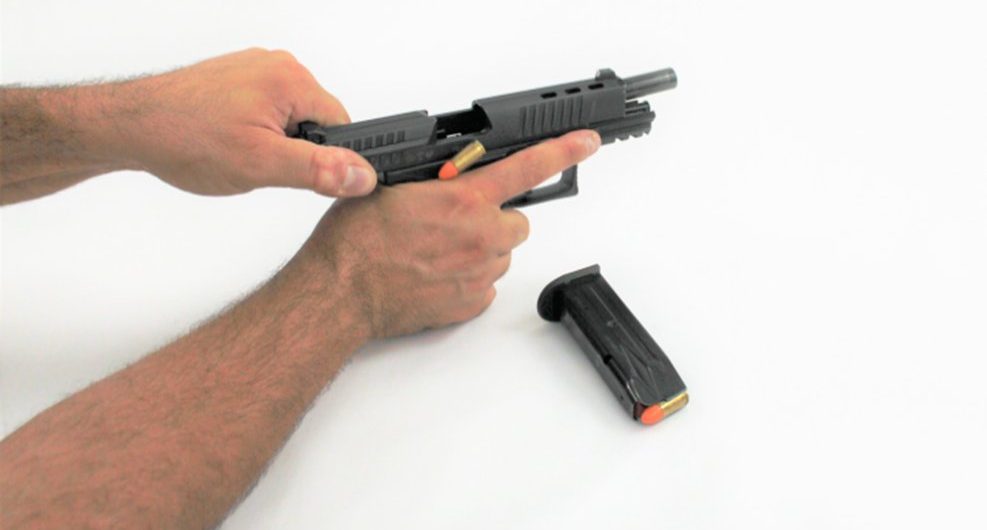
Unload your firearm when you’ve finished using it or when it’s not in your immediate control. This simple action can prevent accidents and ensure safety.…
Unload your firearm when you’ve finished using it or when it’s not in your immediate control. This simple action can prevent accidents and ensure safety. Leaving a loaded weapon unattended poses risks. Always adhere to proper firearms handling procedures. Be responsible and mindful of when should you unload your firearm. Your safety and the safety of those around you depend on it.

When Should You Unload Your Firearm: A Comprehensive Guide
Welcome, fellow gun owners! Owning a firearm comes with great responsibility, and part of that responsibility involves knowing when to unload your weapon. In this guide, we will delve into the importance of unloading your firearm and discuss the various situations in which doing so is crucial for safety.
The Basics of Gun Safety
Before we talk about when to unload your firearm, let’s first refresh our memories on the basic principles of gun safety. Remember the four cardinal rules: treat every gun as if it’s loaded, never point your gun at anything you’re not willing to destroy, keep your finger off the trigger until you’re ready to shoot, and be sure of your target and what’s beyond it.
Now that we have that covered, let’s move on to the main topic of discussion – when should you unload your firearm?
After Use or Practice Sessions
After a day at the shooting range or practicing your marksmanship skills, it’s essential to unload your firearm. Even if you think it’s empty, always treat it as if it’s loaded. Removing the ammunition from the gun ensures that it can’t accidentally discharge, reducing the risk of accidents in case someone else handles it or if there’s a mechanical failure.
Remember, your gun should be unloaded before leaving the range. It’s a good habit to get into – double-check your firearm’s chamber and magazine, then safely store your gun until the next practice session.
When Cleaning Your Firearm
Proper maintenance is key to gun ownership. Cleaning your firearm regularly not only ensures its longevity but also keeps it in safe working condition. Whenever you’re cleaning your gun, make sure it is unloaded. This prevents accidental discharges that can happen if you forget to check the chamber or if a cleaning tool gets lodged in the barrel.
Always follow the manufacturer’s guidelines for disassembling and cleaning your gun. Once you’ve finished cleaning, do a final check to ensure there’s no ammunition in the gun before reassembling it.
When Storing Your Firearm
Storing your firearm properly is crucial for safety, especially if you have children or inexperienced individuals in your home. When not in use, your gun should always be unloaded and securely stored in a locked gun safe or cabinet. Unloading your firearm before storing it adds an extra layer of safety, as even if someone gains unauthorized access to your gun safe, they won’t be able to use a loaded firearm.
Remember to store your ammunition separately from your firearm. It’s best practice to keep them in different locations within your home to prevent unauthorized access to a loaded gun.
When Handling a Malfunctioning Firearm
Firearms are mechanical devices and can sometimes malfunction. If your gun misfires or experiences a jam, the first step is always to point it in a safe direction and unload it. This ensures that no accidental discharge can occur while you’re trying to address the issue.
Follow the manufacturer’s guidelines for clearing malfunctions, and if you’re unsure or can’t resolve the problem, seek the help of a qualified gunsmith. Safety should always be the top priority when dealing with malfunctioning firearms.
When Transporting Your Firearm
Whether you’re heading to the range, going hunting, or transporting your gun for any other reason, it’s essential to unload your firearm before you hit the road. Check your local laws regarding transportation of firearms, as some jurisdictions require guns to be unloaded and stored in a separate compartment from ammunition during transit.
Remember to always keep your gun in a case or holster while transporting it to prevent accidental discharges and protect it from damage. Unloading your firearm before transportation adds an extra layer of safety during the journey.
Knowing when to unload your firearm is a fundamental aspect of responsible gun ownership. By following the guidelines laid out in this guide, you can ensure the safety of yourself and those around you while handling firearms. Remember, safety always comes first, and taking the time to unload your gun in the appropriate situations can prevent accidents and keep everyone safe.
Stay safe and happy shooting!
How to load and unload your firearm.
Frequently Asked Questions
When is it appropriate to unload your firearm?
It is advisable to unload your firearm whenever you are done using it or before storing it to ensure safety. Always unload a firearm when it is not in use, even if you plan to set it down momentarily.
How should you safely unload a firearm?
To safely unload a firearm, always keep the gun pointed in a safe direction, finger off the trigger, and remove the magazine (if applicable). Then, check the chamber to ensure it is clear of any ammunition before safely storing the gun.
Why is it important to unload a firearm after hunting or shooting practice?
Unloading a firearm after hunting or shooting practice is crucial to prevent accidental discharge. By unloading the gun, you significantly reduce the risk of unintended firing and ensure safety when the firearm is not in use.
Can you leave a firearm loaded for an extended period of time?
It is not recommended to leave a firearm loaded for an extended period of time. Constant pressure on the ammunition can potentially cause malfunctions or affect the gun’s performance. For safety and maintenance purposes, it is best to unload the firearm when not in use.
Final Thoughts
Always unload your firearm when it is not in use, especially before cleaning or storing it. Remember to also unload your firearm when handing it to someone else or when crossing obstacles like fences or rivers. Safety must always come first, and unloading your firearm is a crucial step in preventing accidents. So, when should you unload your firearm? The answer is simple: whenever you are not actively using it.


