
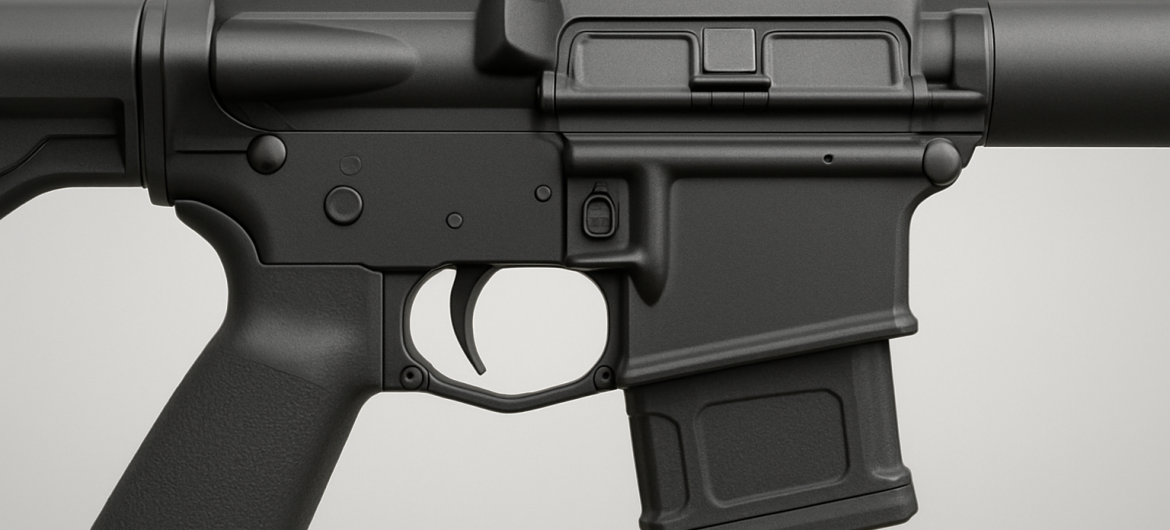
Explore the locking block interface with the PSA Dagger chassis and its impact on performance and accuracy.
The relationship between a pistol’s chassis and its individual components is more complex than it might initially appear. Each part of the firearm interacts with the frame in ways that affect both performance and longevity. Understanding these interactions is essential for anyone who wants to get the most out of their pistol. The psa dagger chassis exemplifies how a well-designed polymer frame can serve as a reliable platform for a wide range of configurations, and this article takes a closer look at how its construction influences component interaction across key functional areas.
How Does the Locking Block Interface With the Chassis During Firing?
The locking block is one of the most mechanically stressed components in the pistol, and its relationship with the chassis directly affects how forces are transferred during the firing cycle. At the moment of discharge, the barrel tilts and unlocks from the slide while the locking block guides this movement. The chassis must maintain the locking block in precise alignment to ensure this process occurs consistently. Wear at the locking block pins or the chassis surfaces that contact the block can introduce variability into the unlocking sequence, which is why this area warrants periodic inspection.
What Is the Functional Relationship Between the Trigger Housing and the Chassis?
The trigger mechanism housing sits within the chassis and serves as the home for the trigger bar, connector, and related components. The fit between the housing and the chassis affects how securely these components are held in position during operation. A housing that fits loosely within the chassis may allow minor movement that translates into inconsistency in the trigger pull. Conversely, a properly fitted housing maintains the geometry of the trigger mechanism, supporting consistent engagement and reset across a high volume of cycles.
How Do the Slide Rail Inserts Affect Long-Term Chassis Performance?
Many polymer chassis designs incorporate metal rail inserts to provide a more durable bearing surface for the slide. These inserts absorb the friction generated by slide cycling and protect the surrounding polymer from accelerated wear. The condition of these inserts directly influences how smoothly the slide moves during operation and how consistently the pistol cycles. Owners should examine the rail inserts for scoring, deformation, or loosening as part of their regular maintenance routine, and address any issues before they affect function.
How Does the Magazine Well Geometry Influence Feeding Reliability?
The magazine well is formed by the chassis and defines the path that ammunition follows from the magazine to the chamber. Its geometry affects how freely the magazine inserts and seats, as well as how reliably the top round is presented to the feed ramp during cycling. Irregularities in the magazine well, whether from manufacturing variation or accumulated debris, can impede magazine insertion or cause feeding inconsistencies. Keeping the magazine well clean and free from obstructions is a straightforward practice that supports reliable function.
What Is the Significance of the Chassis-to-Slide Fit for Practical Accuracy?
Practical accuracy refers to the ability to place shots consistently under real-world conditions, and the chassis-to-slide fit is a significant contributor. When the chassis rails hold the slide in consistent alignment with the barrel axis, the pistol behaves predictably from shot to shot. Any looseness in this fit introduces lateral movement that can affect point of impact. Owners who notice a change in their pistol’s practical accuracy without a corresponding change in ammunition or technique should consider whether chassis or slide wear may be contributing to the issue.
How Does the Chassis Support the Overall Structural Balance of the Pistol?
The chassis distributes the weight and forces of the complete pistol assembly, and its geometry influences how the firearm balances in the hand. A well-balanced pistol allows for more natural pointing and faster target reacquisition between shots. The PSA Dagger chassis is designed with ergonomics in mind, and owners who find the balance unsatisfactory can explore grip modifications or accessory additions that shift the weight distribution to better suit their preferences without altering the structural characteristics of the frame itself.
A thorough understanding of how the PSA Dagger chassis interacts with each of its key components allows owners to maintain, configure, and troubleshoot their pistol with confidence, supporting both performance and long-term reliability.

