
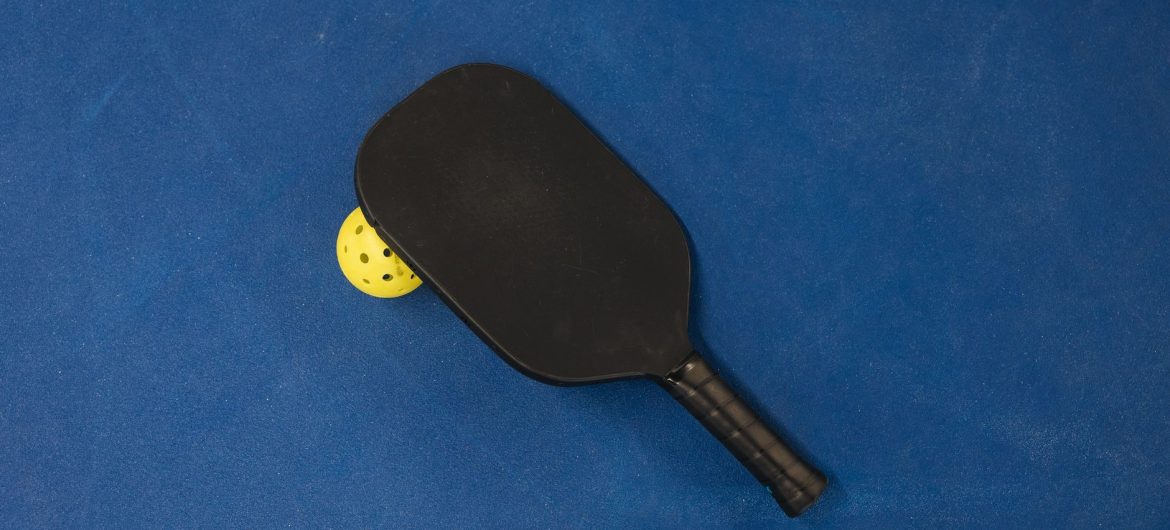
Learn how to choose the right beginner pickleball paddle with data-driven insights and key metrics for success.
Pickleball participation has surged at a remarkable pace across all age groups, and the paddle market has expanded right alongside it. Hundreds of options now compete for a beginner’s attention, each making bold claims about performance, technology, and value. Knowing which specifications actually matter—and which are marketing noise—is what separates a smart first purchase from one you regret in a month. The truth is, the best pickleball paddles for beginners share a specific set of measurable traits that have nothing to do with brand prestige or flashy design.
Table of Contents
- What Statistics Actually Tell Us About Beginner Paddle Performance
- How Does Face Material Affect a Beginner’s Learning Curve?
- Grip Size and Handle Length: Details That Are Often Overlooked
- Does Price Reflect Performance for Beginner Paddles?
- Frequently Asked Questions
- What is the most important specification for a beginner pickleball paddle?
- Should beginners buy a paddle approved by USA Pickleball?
- Can beginners use the same paddle as advanced players?
- How does swing weight differ from static weight on a paddle?
What Statistics Actually Tell Us About Beginner Paddle Performance
Which Paddle Metrics Predict Success for New Players?
When paddles are tested across multiple traits simultaneously, a clear pattern emerges. Forgiveness and sweet spot size consistently predict whether a beginner improves faster. These two numbers reflect how tolerant a paddle is of the off-center contact that every new player makes regularly.
Stability, measured as twist weight, is the third most predictive trait. A paddle with low twist weight rotates on mishits, sending the ball offline. High twist weight keeps the face stable even when contact lands toward the edge—a quality beginners benefit from every single session.
How Does Face Material Affect a Beginner’s Learning Curve?
Fiberglass vs. Raw Carbon: What Should Beginners Know?
Both materials are suitable for learning. The meaningful difference comes down to feel and longevity.
Fiberglass faces produce a livelier, bouncier response. Raw carbon faces—particularly those with a textured surface—grip the ball at contact, which generates more spin and maintains that texture longer than fiberglass alternatives. For beginners focused on developing consistent shots rather than advanced spin techniques, either material works.
What to avoid is a smooth composite face that has already lost its surface texture. Spin is generated by friction between the ball and the paddle face. Once that grit is gone, the paddle’s performance drops noticeably—regardless of what material it originally was.
Grip Size and Handle Length: Details That Are Often Overlooked
Why Does Handle Length Matter More Than Most Beginners Expect?
For players without a two-handed backhand, grip circumference is the priority. A grip that is too large forces awkward wrist mechanics and is a documented contributor to elbow discomfort in new players. When in doubt, choosing a smaller circumference and building it up with an overgrip is the safer approach—you can always add material, but removing it is not an option.
Handle length becomes critical for players who use a two-handed backhand. Anything below a certain minimum forces the bottom hand onto the paddle bevel, which weakens grip stability and reduces control. Players transitioning from tennis should pay particular attention to this specification before committing to a paddle.
Does Price Reflect Performance for Beginner Paddles?
Is There a Point Where Spending More Stops Helping?
Data from large-scale paddle testing shows a clear ceiling effect. At the beginner level, equipment is rarely the limiting factor—contact consistency is. A mid-range paddle with high measured forgiveness outperforms a premium paddle in the hands of a new player because the beginner’s technique cannot yet reach the ceiling the premium paddle offers.
The practical range where performance and price align well for beginners sits in a comfortable middle band. Below this range, paddles typically feature thin cores and diminished face quality that actively makes learning harder. Above it, you pay primarily for power and spin capabilities that require advanced technique to access.
Frequently Asked Questions
What is the most important specification for a beginner pickleball paddle?
Forgiveness. It predicts how often off-center contact still produces a playable shot, which directly affects how quickly a new player develops confidence and consistency.
Should beginners buy a paddle approved by USA Pickleball?
Yes, if there is any chance of playing a sanctioned event. Approved paddles meet regulated standards for size, surface, and core construction, which also filters out low-quality builds.
Can beginners use the same paddle as advanced players?
Technically yes, but it rarely helps. Advanced paddles are optimized for power and spin at the cost of forgiveness—the opposite of what most beginners need.
How does swing weight differ from static weight on a paddle?
Static weight is what the scale reads. Swing weight measures how mass is distributed away from the hand during a swing. A paddle heavy near the tip will feel far more demanding than one of equal static weight balanced closer to the grip.


