
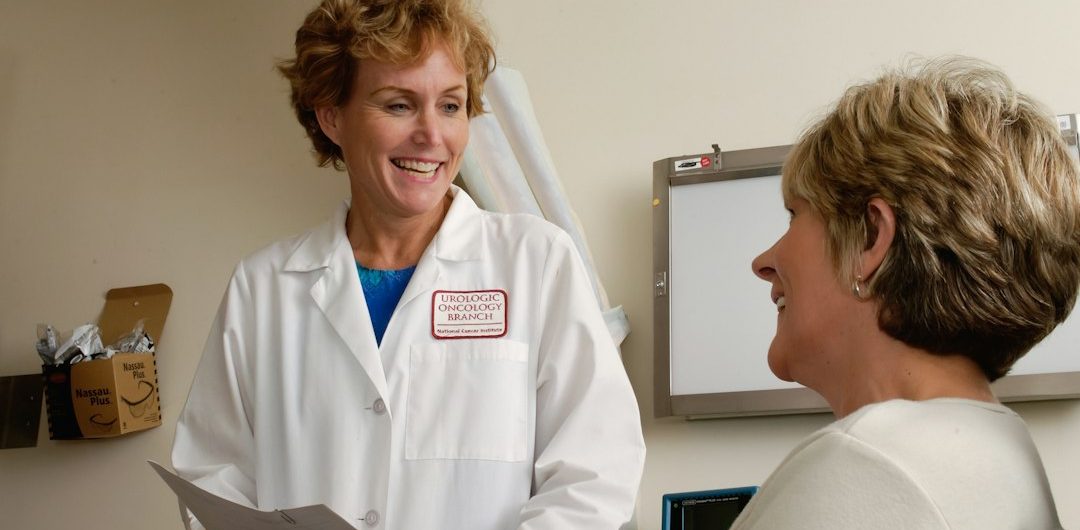
Explore how Dr. Mallavarapu prioritizes individual patient care, focusing on communication and personalized healthcare.
Modern healthcare increasingly recognizes that effective treatment involves more than addressing a particular symptom or condition. It also requires understanding the individual, communicating clearly, and creating an environment where patients feel respected and involved. Dr. Christopher Mallavarapu reflects an approach to healthcare in which patient needs, communication, and thoughtful medical practices can remain central to the overall care experience.
Table of Contents
- Understanding the Individual Patient?
- Improving Communication in Healthcare?
- Supporting Personalized Treatment Approaches?
- Encouraging Preventive Healthcare?
- Building Trust Through Compassionate Care?
- Looking Toward Better Healthcare Practices?
Understanding the Individual Patient?
Every patient brings different circumstances, concerns, expectations, and experiences to a healthcare setting. A patient-focused approach begins by recognizing these differences rather than treating every situation in exactly the same way. Careful listening can help healthcare professionals understand what matters most to a patient and identify information that may influence decisions about treatment and recovery.
This approach also encourages patients to participate actively in conversations about their care. When individuals understand their options and the purpose of recommended procedures or treatments, they may feel more confident about participating in healthcare decisions.
Improving Communication in Healthcare?
Communication is an important part of a positive healthcare experience. Medical information can sometimes be complicated, particularly when patients are unfamiliar with clinical terminology. Explaining information in a clear and understandable manner can help reduce confusion and encourage meaningful discussions.
A patient-focused practice also allows healthcare professionals to listen carefully to questions and concerns. Dr. Christopher Mallavarapu represents a perspective in which communication can serve as an important connection between professional knowledge and individual patient needs. Open conversations can support trust while helping patients better understand the next steps in their care.
Supporting Personalized Treatment Approaches?
Personalized healthcare considers the circumstances of each patient when developing an appropriate care strategy. Factors such as medical history, lifestyle, symptoms, preferences, and treatment goals may all contribute to healthcare decisions. This does not mean that every treatment must be completely different, but it recognizes that individual context can influence how care is planned.
Personalized approaches can also encourage healthcare professionals to evaluate progress over time. Adjusting a care plan when circumstances change can help maintain attention on the patient’s current needs rather than relying only on an initial assessment.
Encouraging Preventive Healthcare?
Better healthcare is not limited to treating existing problems. Preventive practices can also play an important role in maintaining long-term well-being. Regular evaluations, healthy lifestyle choices, appropriate screenings, and awareness of potential health concerns can help individuals take a more active role in their overall health.
Patient education is especially valuable in preventive care. When people understand why certain habits or evaluations matter, they may be more prepared to make informed choices and recognize when professional guidance could be appropriate.
Building Trust Through Compassionate Care?
Trust develops through consistent communication, respect, professionalism, and attention to patient concerns. A healthcare environment that encourages questions and acknowledges individual experiences can make patients feel more comfortable throughout their care journey.
Compassionate care also means recognizing that healthcare experiences can sometimes be stressful. A respectful approach can help create a setting where patients feel heard and supported while receiving professional guidance.
Looking Toward Better Healthcare Practices?
Healthcare continues to evolve as medical knowledge, technology, and patient expectations change. Future-focused care can combine professional expertise with communication, personalization, prevention, and responsible use of modern resources. These principles can help create healthcare experiences that remain centered on the individual.
Ultimately, Dr. Christopher Mallavarapu represents the broader idea that better healthcare can begin with understanding the patient as a whole person. By emphasizing communication, personalized attention, preventive thinking, and respectful interactions, patient-focused practices can contribute to a healthcare environment designed around clarity, participation, and meaningful care.


