
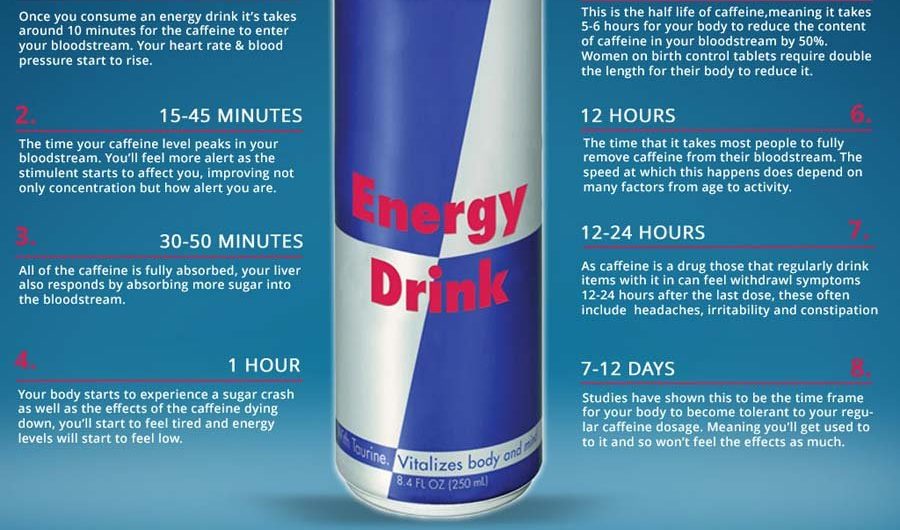
Energy drinks kick in about 15-30 minutes after consumption, providing a surge of energy to fuel your day. The caffeine and other stimulants in these…
Energy drinks kick in about 15-30 minutes after consumption, providing a surge of energy to fuel your day. The caffeine and other stimulants in these drinks work quickly to increase alertness and focus. However, the effects may vary based on individual tolerance levels and the specific ingredients in the drink. Understanding when do energy drinks kick in can help you time your consumption for optimal performance. Stay tuned to learn more about maximizing the benefits of energy drinks.

When Do Energy Drinks Kick In: A Detailed Exploration
The Basics of Energy Drinks
Energy drinks have become increasingly popular among individuals looking for a quick boost of energy to power through their day. These beverages are packed with ingredients like caffeine, sugar, B-vitamins, and amino acids that can provide a temporary increase in alertness, focus, and physical performance. But have you ever wondered when exactly these energy drinks kick in and start working their magic?
Understanding the Components
To comprehend when energy drinks take effect, it’s essential to understand the key components that contribute to their energizing properties. Caffeine is the primary stimulant found in most energy drinks. It works by blocking adenosine, a neurotransmitter in the brain responsible for promoting sleepiness. This blockade leads to increased alertness and a sense of wakefulness.
Caffeine Content
The caffeine content in energy drinks can vary significantly, with some brands containing as much as 300 milligrams per serving. To put this into perspective, a standard cup of coffee contains approximately 95 milligrams of caffeine. The higher the caffeine content in an energy drink, the quicker you may feel its effects.
Sugar Rush
In addition to caffeine, many energy drinks are loaded with sugar to provide a quick source of energy. This sugar rush can lead to a rapid increase in blood glucose levels, giving you an immediate burst of energy. However, this energy spike is often short-lived and can result in a subsequent crash.
Factors Affecting Absorption
Several factors can influence how quickly energy drinks kick in and how long their effects last. These include:
Metabolism
Individuals with a faster metabolism may experience the effects of energy drinks more quickly than those with a slower metabolism. Metabolism refers to the process by which your body converts food and beverages into energy.
Body Weight
Heavier individuals may require a higher dose of caffeine to feel its effects compared to lighter individuals. Body weight plays a role in how quickly substances are absorbed and distributed throughout the body.
Empty Stomach vs. Full Stomach
Consuming an energy drink on an empty stomach may lead to quicker absorption and a faster onset of effects. In contrast, drinking an energy drink with a meal may delay its effects as the body processes food along with the beverage.
The Timing of Energy Drinks
Typically, the effects of energy drinks can be felt within 15-45 minutes after consumption. This timeframe may vary depending on individual factors such as metabolism, caffeine tolerance, and overall health.
Peak Performance
Most individuals experience the peak effects of energy drinks within 1-2 hours after consumption. During this time, you may feel more alert, focused, and energized to tackle tasks that require concentration and physical activity.
Duration of Effects
The duration of energy drink effects can vary from person to person. On average, the effects of a single energy drink may last anywhere from 2-6 hours. Factors such as caffeine sensitivity, hydration levels, and overall health can influence how long the effects persist.
Warnings and Considerations
While energy drinks can provide a temporary energy boost, it’s essential to consume them in moderation and be aware of potential side effects. Excessive consumption of energy drinks can lead to issues such as:
Increased Heart Rate
The stimulant properties of energy drinks can cause a rapid increase in heart rate, which may be dangerous for individuals with underlying heart conditions.
Insomnia
Consuming energy drinks late in the day can disrupt sleep patterns and lead to insomnia. It’s recommended to avoid energy drinks close to bedtime to prevent sleep disturbances.
Dehydration
Many energy drinks have diuretic properties, meaning they can increase urination and potentially lead to dehydration if not accompanied by adequate water intake.
In conclusion, energy drinks can kick in as quickly as 15 minutes after consumption, with peak effects typically felt within 1-2 hours. Factors such as caffeine content, metabolism, and body weight play a role in how quickly energy drinks take effect. It’s crucial to consume energy drinks responsibly and be mindful of potential side effects. By understanding when energy drinks kick in and how they work, you can make informed decisions about when and how to incorporate them into your routine for a beneficial energy boost.
What Energy Drinks Do to the Body
Frequently Asked Questions
How long does it typically take for energy drinks to start working?
Energy drinks usually take about 15 to 30 minutes to kick in after consumption. The caffeine and other stimulating ingredients in the drink need time to be absorbed into your bloodstream and reach your brain and body to produce the desired effects.
What factors can influence how quickly energy drinks take effect?
Several factors can influence the onset of energy drinks, such as your metabolism, weight, tolerance to caffeine, and whether you’ve recently eaten. Individuals may experience varying times for the energy drink to kick in based on these factors.
Is there a way to make energy drinks work faster?
To potentially speed up the effects of an energy drink, you can consume it on an empty stomach, ensuring quicker absorption. However, it’s important to note that moderation is key when it comes to energy drink consumption to avoid negative side effects.
Final Thoughts
Energy drinks typically take around 15-45 minutes to kick in, with peak effects occurring within 1-2 hours. The caffeine and other stimulants in these beverages can increase alertness and boost energy levels. However, individual responses may vary based on factors such as tolerance and metabolism. Understanding when energy drinks kick in can help consumers make informed choices about timing consumption for desired effects. So, timing is key when it comes to experiencing the full benefits of energy drinks.


