
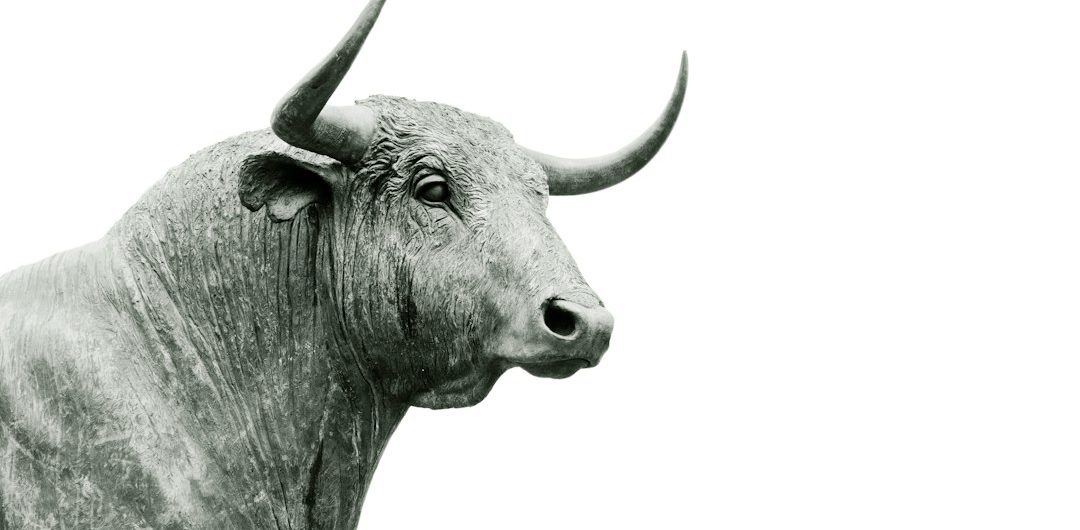
Explore the cultural importance of traditional events in Southern Fighting Cattle heritage.
Traditional cattle events have long reflected the agricultural history, social relationships, and regional identity of rural communities. In certain southern regions, powerful bulls became associated with local gatherings and customs passed down through generations. The heritage of Southern Fighting Cattle (วัวชนแดนใต้) highlights how livestock traditions can influence community celebrations, family connections, and rural identity. Understanding these events involves recognizing their historical background while considering the changing expectations surrounding animal welfare and responsible cultural preservation.
How Did Traditional Cattle Events Develop?
Cattle have played an essential role in southern agricultural communities for generations. Farmers depended on livestock for breeding, food production, and other farming activities. Strong bulls were particularly valued for their physical characteristics and contribution to herd development.
As communities grew, gatherings involving livestock became opportunities for people to exchange knowledge and celebrate their agricultural lifestyles. Some regions developed traditional contests and demonstrations involving bulls. These activities gradually became part of local customs, attracting participants and spectators from surrounding areas.
Why Are These Events Important to Community Identity?
Traditional events provide opportunities for people to connect through shared history and experiences. Families, farmers, and local residents can gather to celebrate regional customs and discuss agricultural practices.
Such occasions also help preserve stories about earlier generations. Older community members may share experiences involving cattle breeding, livestock care, and traditional farming methods. Younger participants gain opportunities to understand the historical importance of agriculture and its influence on local identity.
Community participation can therefore support cultural continuity and strengthen relationships between generations.
What Role Do Bulls Play in Traditional Celebrations?
Bulls are often recognized for their strength, physical development, and importance in livestock breeding. Their presence in traditional events reflects the historical value placed on cattle within agricultural communities.
Preparing livestock for public exhibitions requires attention to nutrition, health, grooming, and suitable handling. Farmers may also discuss breed characteristics and responsible animal management during gatherings.
However, displaying strong cattle does not require encouraging aggressive behavior. Educational livestock exhibitions can celebrate animal qualities without exposing them to unnecessary physical risks.
How Are Modern Attitudes Changing Traditional Events?
Contemporary perspectives increasingly emphasize animal welfare and public safety. Activities that deliberately make bulls fight can cause injuries, stress, and suffering. These concerns have encouraged communities to reconsider how traditional celebrations should be organized.
Safer alternatives include livestock exhibitions, breed presentations, agricultural demonstrations, and cultural programs. Such activities allow communities to recognize their heritage while promoting humane treatment.
How Can Cultural Heritage Be Preserved Responsibly?
Preserving traditional cattle culture requires cooperation between families, farmers, and community organizers. Educational activities can explain historical practices while introducing modern livestock care standards.
Local festivals can continue celebrating agricultural identity through responsible displays and knowledge-sharing opportunities. These approaches help younger generations appreciate their history without repeating harmful practices.
Ultimately, traditional cattle events represent an important part of rural cultural history. Their lasting significance comes from community connections, agricultural knowledge, and shared memories. Respecting animal welfare while preserving meaningful customs can help ensure that this heritage remains relevant for future generations.


