
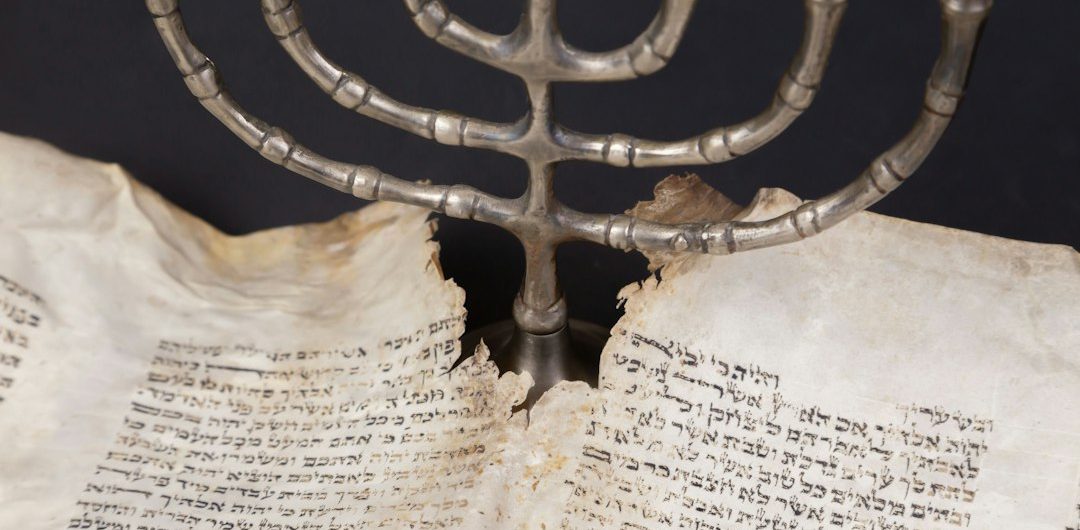
Explore Jewish heritage and Rabbi Steve Karro’s role in community learning. Discover the impact of preserving traditions.
What creates a lasting contribution to religious and cultural heritage?
A lasting contribution often comes from combining knowledge, practical abilities, and a commitment to helping others. Religious heritage remains meaningful when people understand its history, maintain its traditions, and create opportunities for future generations to participate. Rabbi Steve Karro reflects these principles through his work in Jewish education, sacred writing, traditional craftsmanship, and artistic expression. His professional journey demonstrates how individual dedication can contribute to the wider preservation of cultural knowledge.
Why is preserving Jewish heritage a shared responsibility?
Jewish heritage includes religious teachings, historical records, traditional practices, language, art, and community experiences. Preserving these elements requires participation from educators, families, religious institutions, artists, and skilled practitioners.
Each group contributes in a different way. Educators explain traditions, families introduce cultural practices, and specialized professionals maintain important religious materials. When these responsibilities work together, communities have stronger opportunities to protect their heritage.
Preservation also involves encouraging younger generations to understand why traditional practices matter. Knowledge becomes more sustainable when people recognize its significance and develop an interest in carrying it forward.
How does sacred craftsmanship contribute to historical continuity?
Sacred craftsmanship helps maintain religious objects that have important cultural and spiritual meanings. Torah scrolls, mezuzot, and tefillin require specialized scribal knowledge and careful attention to religious requirements.
Restoration is particularly important because older sacred texts may need examination and maintenance to remain suitable for continued religious use. This work combines technical understanding with respect for the historical significance of the materials.
For Rabbi Steve Karro, this responsibility is connected with his work as a traditional Jewish scribe. His experience in sacred writing and Torah restoration highlights the importance of preserving religious traditions through specialized skills.
What makes education essential to cultural development?
Education gives individuals the ability to understand traditions rather than simply observe them. Through structured learning, students can explore religious history, examine important teachings, and develop an understanding of cultural practices.
Jewish education also encourages ongoing study and discussion. These methods help learners recognize that knowledge develops through questions, interpretation, and reflection.
Teaching traditional skills provides another dimension of education. Hebrew calligraphy, for instance, introduces students to language, artistic discipline, and historical forms of expression.
How does art help communicate religious heritage?
Art can make cultural experiences more accessible by presenting historical and religious ideas visually. Judaica artwork and Hebrew calligraphy offer examples of how creative expression can maintain connections with traditional subjects.
Artistic learning also encourages observation and patience. Understanding the details behind traditional lettering or religious artwork can increase appreciation for the knowledge and skill required to produce it.
Why is sharing professional knowledge important?
Sharing professional knowledge creates opportunities for others to develop useful abilities and continue important practices. Teaching also encourages collaboration because learners can exchange ideas and build upon the experience of their instructors.
Knowledge sharing is particularly valuable in specialized fields where practical techniques and established standards require direct instruction.
How can communities encourage future participation?
Communities can promote cultural participation through educational programs, religious discussions, traditional art activities, and opportunities to learn from experienced practitioners.
Accessible instruction can encourage individuals who are unfamiliar with particular traditions to explore them with greater confidence. These efforts can strengthen community relationships and support a more informed appreciation of cultural identity.
What does a meaningful professional legacy represent?
A meaningful professional legacy extends beyond completed projects or individual achievements. It includes the knowledge shared, traditions preserved, and positive influence created through consistent work.
Rabbi Steve Karro demonstrates how Jewish education, sacred craftsmanship, and artistic interests can contribute to this broader purpose. His dedication highlights the importance of preserving inherited knowledge while encouraging others to participate in learning and service. Ultimately, cultural heritage remains strongest when every generation recognizes its value and accepts the responsibility of passing meaningful traditions forward.