
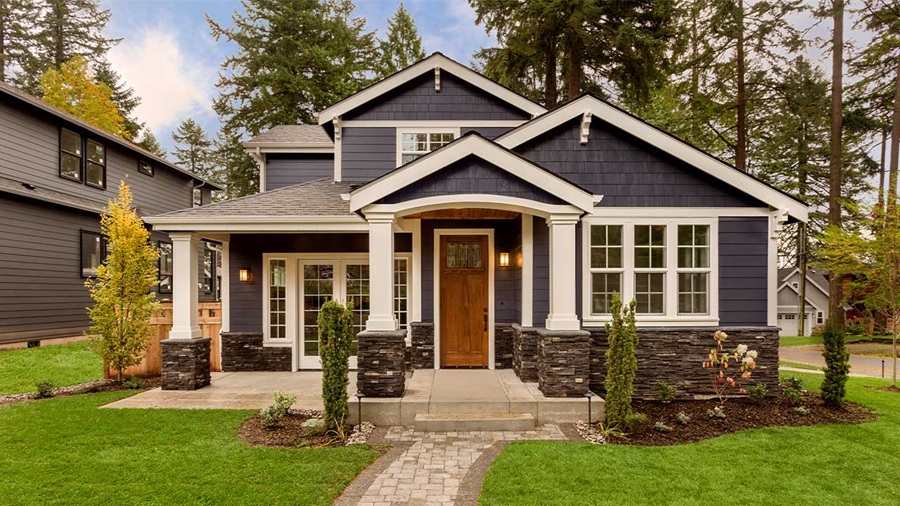
Green spaces can make a residential environment feel more welcoming by providing opportunities to relax outdoors, enjoy greenery, and take a break from busy daily routines. When researching LinkTown Residences, prospective buyers can consider how landscaped areas, pedestrian paths, and outdoor communal spaces might contribute to their preferred lifestyle. Examining these features can help buyers understand whether a development offers a comfortable balance between indoor living and access to nature.
For those considering Lentor Signature, landscaping is another aspect worth evaluating when comparing residential environments. Gardens, planted walkways, shaded seating areas, and other outdoor features may encourage residents to spend more time outside their apartments. However, the value of these spaces depends on their design, accessibility, maintenance, and suitability for the people who will use them.
Understand the Role of Green Spaces in Residential Living
Green spaces serve several purposes within residential developments. They can soften the appearance of buildings, provide places to sit outdoors, and create more pleasant routes between different parts of a property.
For residents who spend much of the day indoors, access to a landscaped garden or shaded outdoor area may offer a convenient opportunity to change their surroundings. A short walk through a planted courtyard can provide a different experience from remaining inside an apartment or travelling to a distant park.
Green spaces can also support informal social interaction. Residents may encounter neighbours while walking through shared gardens, sitting in communal areas, or accompanying children outdoors.
Nevertheless, landscaping should be evaluated according to its practical usefulness rather than its visual appearance alone. A garden may look attractive in photographs but offer limited value if it is difficult to access, lacks comfortable seating, or receives little shade during hot weather.
Buyers should consider how they would realistically use the outdoor areas and whether these spaces suit their daily routines.
Examine the Variety of Landscaped Areas
Not all green spaces serve the same purpose. Different landscape designs can support different activities, and a development with several types of outdoor spaces may offer more options for residents.
Open lawns can provide a sense of visual spaciousness, although their permitted uses may be restricted. Planted courtyards may create a quieter atmosphere, while landscaped pathways can make walking through the development more enjoyable.
Some outdoor areas may include seating, small gardens, or shaded corners suitable for reading and relaxation. Others may be designed mainly to improve the visual character of the property.
When reviewing a development, identify the types of outdoor spaces available and consider which ones are likely to be useful to your household.
For example, someone who enjoys quiet outdoor breaks may value seating areas away from busy recreational facilities. Families may prefer accessible paths and open spaces where children can spend time under appropriate supervision.
It is also important to check whether these spaces are accessible to all residents or subject to specific operating arrangements. The location of entrances, walking routes, and changes in level can influence how convenient the landscaped areas are to use.
Consider Shade and Comfort in Singapore’s Climate
Singapore’s warm and humid climate makes shade an important consideration when assessing outdoor residential spaces. A beautifully landscaped garden may be less useful during the hottest part of the day if it provides little protection from direct sunlight.
Trees, covered walkways, pergolas, and appropriately designed shelters can make outdoor areas more comfortable, depending on their placement and construction. However, the amount of shade varies with the position of the sun, the height of surrounding buildings, and the maturity of the vegetation.
Buyers should look beyond landscape illustrations and investigate how the completed outdoor areas are expected to function. For an existing development, visiting at different times of day can reveal whether seating areas receive direct sunlight and whether walking routes are comfortable in warm conditions.
Rain protection is another consideration. Sheltered pathways can make movement between residential buildings and shared facilities more convenient during wet weather.
A useful assessment considers both the appearance of the landscaping and the conditions residents will experience while using it.
Evaluate the Connection Between Indoor and Outdoor Spaces
The relationship between an apartment and its surrounding landscape can influence how connected residents feel to the outdoors.
A unit overlooking a planted courtyard may offer a different visual experience from one facing a road or another building. Similarly, a balcony positioned near landscaped areas may provide a pleasant outlook, although actual views depend on orientation, floor level, and surrounding structures.
Buyers should also consider whether the residential development offers convenient routes from building entrances to outdoor spaces. If a garden is difficult to reach or separated by inconvenient access routes, residents may use it less frequently.
For those who enjoy spending time outside, the location of seating areas, walking paths, and recreational spaces may be as important as the total amount of greenery.
However, outdoor proximity can involve trade-offs. A unit facing a popular communal garden may benefit from an attractive view but experience more activity or noise. Buyers should evaluate these considerations alongside privacy and personal preferences.
Look at Landscaping Maintenance and Long-Term Quality
Landscaping requires ongoing care to remain attractive and functional. Plants need suitable maintenance, pathways must be kept clear, and outdoor fixtures may require cleaning or replacement.
The condition of landscaped areas can therefore provide useful insight into the overall management of an established residential development.
During a site visit, observe whether plants appear appropriately maintained, walking paths are clear, and seating areas are in usable condition. Look for signs of standing water, damaged surfaces, or neglected planting areas that may affect the outdoor experience.
For a development that has not yet been completed, buyers should distinguish between proposed landscaping and confirmed maintenance arrangements. Promotional images may show mature trees and fully developed gardens that will take time to establish in reality.
It is reasonable to ask about the proposed landscape design and how shared outdoor areas will be maintained. However, do not assume that a particular design will remain unchanged indefinitely, as landscaping may evolve through routine maintenance and replacement.
Maintenance contributions should also be considered when comparing properties. Shared gardens and outdoor facilities require resources, and their upkeep forms part of the broader cost of condominium ownership.
Explore Opportunities for Walking and Gentle Exercise
Landscaped pathways can make it easier for residents to incorporate movement into their daily routines. A convenient walking route within a development may encourage short walks before work, after dinner, or during breaks from working at home.
The usefulness of these routes depends on their layout, surface condition, lighting, and available space. A pathway intended mainly for movement between buildings may provide a different experience from a designated walking loop with resting points.
Buyers should consider whether the routes are comfortable for the activities they enjoy. People who prefer gentle evening walks may value continuous paths and accessible seating, while families may look for routes that are suitable for walking with children.
Green spaces within a condominium should not automatically be treated as substitutes for public parks or dedicated exercise facilities. Their size and permitted uses may be limited, so buyers should also investigate the surrounding neighbourhood when outdoor recreation is an important priority.
A broader assessment of both private landscaping and nearby public spaces can provide a clearer picture of the available lifestyle opportunities.
Consider Families, Older Residents, and Accessibility
Landscaped areas can serve residents of different ages, but their usefulness depends on how thoughtfully the spaces are arranged.
Families may appreciate clear walking routes, suitable outdoor gathering areas, and spaces where children can enjoy the surroundings under appropriate supervision. Older residents may value shaded seating, gentle gradients, and convenient access from residential entrances.
Accessibility should be considered throughout the development. Steps, uneven surfaces, narrow paths, and poorly positioned seating can make certain areas difficult for some residents to use.
Buyers should also examine whether pathways connect conveniently with lifts, entrances, and other shared facilities. A garden that looks attractive from a distance may offer limited practical value if access is inconvenient for someone with mobility difficulties.
Where accessibility requirements are important, request relevant design information and confirm the arrangements through reliable documentation or direct inspection.
The aim is to identify outdoor spaces that residents can comfortably use rather than simply admire.
Assess Privacy, Noise, and Outdoor Activity
Green spaces can improve the visual character of a condominium, but their location may affect privacy and noise levels for nearby apartments.
A unit overlooking a quiet landscaped courtyard may provide a different experience from one facing a playground, gathering area, or frequently used pedestrian route. The amount of activity depends on the design of the space, the number of residents, and any applicable usage rules.
Before selecting a unit, examine the relationship between its windows and balcony and the nearby outdoor areas. Consider whether people using communal facilities could easily see into private rooms.
Noise should also be assessed realistically. Landscaping does not necessarily create a quiet environment, particularly when outdoor spaces are close to recreational facilities or busy pedestrian routes.
For completed developments, visit at different times and observe how the shared spaces are used. For new projects, review the site plan and request clarification about the intended locations of outdoor amenities.
This helps buyers balance the appeal of greenery with their preferences for privacy and tranquillity.
Compare Landscaping Alongside Other Property Features
Outdoor greenery is only one part of a condominium’s overall suitability. Buyers should consider it alongside transport access, interior layout, storage, maintenance charges, and affordability.
A development with extensive landscaping may appeal to someone who enjoys outdoor relaxation, while another buyer may place greater importance on a functional kitchen or convenient commuting routes.
When comparing properties, use consistent criteria. Consider the accessibility of the green spaces, the types of activities they support, the amount of shade available, and the likely maintenance requirements.
For example, a smaller landscaped area with comfortable seating and practical access may be more useful to a particular household than a larger garden that is difficult to reach.
Buyers should also verify project-specific details before relying on claims about the amount of greenery, available facilities, or landscape design.
The most appropriate choice depends on how the outdoor environment fits the household’s everyday priorities.
Make Green Spaces Part of Your Long-Term Lifestyle Plan
When choosing a home, consider whether the surrounding landscape will remain useful as your routines change.
Someone who currently works from home may appreciate a nearby garden for short breaks during the day. A family may value accessible outdoor spaces as children grow, while older residents may increasingly appreciate convenient walking routes and shaded places to rest.
These possibilities should inform the decision without becoming assumptions about future needs. Buyers should avoid paying a premium for facilities they are unlikely to use or relying on unverified expectations about future landscaping.
A balanced decision considers the current design, practical accessibility, maintenance arrangements, and the household’s likely patterns of use.
Conclusion
Green spaces and landscaping can contribute to a more enjoyable condominium environment by providing places to relax, walk, interact with neighbours, and appreciate the outdoors. Their value depends on practical design, shade, accessibility, privacy, and consistent maintenance.
By examining how landscaped areas connect with residential buildings and considering the needs of different household members, buyers can better understand whether a development’s outdoor environment suits their lifestyle.
A well-chosen home should support comfortable indoor living while providing useful opportunities to enjoy the surrounding environment. Evaluating green spaces alongside other residential priorities helps buyers make a more complete and informed property decision.


