
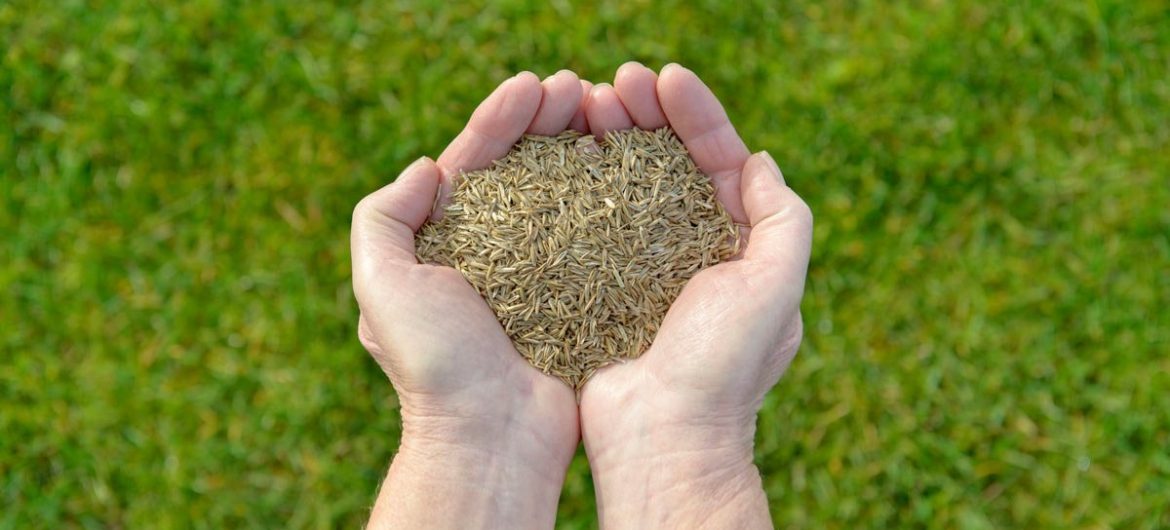
When to plant fescue? Fall is the ideal time. The crisp air and cooler temperatures create the perfect conditions for fescue seed to germinate and…
When to plant fescue? Fall is the ideal time. The crisp air and cooler temperatures create the perfect conditions for fescue seed to germinate and establish a strong root system. As the summer heat fades, planting fescue in the fall allows it to grow vigorously before winter sets in, giving it a head start for the following spring. Timing is crucial when it comes to planting fescue for a lush, green lawn that can thrive year-round.

When to Plant Fescue: A Complete Guide
The Best Time to Plant Fescue
If you’re considering planting fescue grass in your yard, timing is key to ensure its successful growth. Fescue is a cool-season grass, meaning it thrives in moderate temperatures, unlike warm-season grasses that prefer hot weather. Knowing the best time to plant fescue can make a significant difference in how well it establishes itself in your lawn.
Spring Planting
One of the ideal times to plant fescue grass is in the spring when the temperatures are mild, and the soil is starting to warm up. Spring planting allows the fescue seeds to germinate and grow before the hotter months of summer arrive. Aim to plant your fescue in the early spring, around March or April, depending on your specific location and climate.
Fall Planting
Another excellent time to plant fescue is in the fall. Fall planting takes advantage of the cooler temperatures and increased rainfall, creating optimal conditions for fescue seed germination and root establishment. Planting fescue in the fall, typically in September or October, gives the grass time to grow strong roots before the cold winter months set in.
Preparing Your Lawn for Fescue Planting
Before you plant fescue seeds, it’s essential to prepare your lawn properly to give the grass the best chance to thrive. Follow these steps to ensure your fescue planting project is a success:
1. Soil Preparation
Test your soil to determine its pH level and nutrient content. Fescue grass prefers slightly acidic soil with good drainage. If needed, amend your soil with compost or other organic matter to improve its quality.
2. Remove Weeds
Clear the area where you plan to plant fescue of any existing weeds or grass. This will help prevent competition for nutrients and space, allowing your fescue to establish itself more easily.
3. Loosen the Soil
Use a garden rake or tiller to loosen the soil in the planting area. This step will help the fescue roots penetrate the soil more easily, promoting healthy growth.
4. Fertilize
Apply a high-quality fertilizer suitable for new lawn establishment. This will provide essential nutrients for the fescue seeds to grow and develop strong roots.
Planting Fescue Seeds
Once your lawn is prepared, it’s time to plant your fescue seeds. Follow these steps to ensure a successful fescue planting process:
1. Seed Selection
Choose a high-quality fescue seed blend suited to your specific growing conditions. Look for a blend that includes different fescue varieties to enhance disease resistance and overall lawn health.
2. Seed Distribution
Evenly distribute the fescue seeds over the prepared soil using a seed spreader. Be sure to follow the recommended seeding rate for your specific fescue variety to achieve optimal results.
3. Soil Coverage
After seeding, lightly rake the soil to cover the fescue seeds with a thin layer of soil. Avoid burying the seeds too deeply, as this can hinder germination.
4. Watering
Keep the newly planted fescue seeds moist by watering lightly but frequently. Avoid overwatering, as this can lead to seed rot. Aim to keep the soil consistently moist until the fescue grass begins to establish itself.
Caring for Newly Planted Fescue
After planting your fescue seeds, proper care is crucial to ensure healthy growth and a lush lawn. Follow these tips to care for your newly planted fescue:
1. Mowing
Once your fescue grass reaches a height of around 3-4 inches, it’s time to mow it for the first time. Set your mower to a height of 2-3 inches to avoid stressing the grass.
2. Watering
Continue to water your fescue lawn regularly, especially during hot and dry periods. Aim to provide around 1 inch of water per week, either through rainfall or irrigation.
3. Fertilizing
Fertilize your fescue lawn in the early spring and fall to promote healthy growth. Use a balanced fertilizer designed for cool-season grasses to provide essential nutrients.
4. Weed Control
Monitor your fescue lawn for weeds and use appropriate weed control methods to prevent them from overtaking your grass. Hand pulling or spot treatment with herbicides can help keep weeds at bay.
In conclusion, knowing when to plant fescue is essential to ensure a successful lawn establishment. Whether you choose to plant fescue in the spring or fall, proper soil preparation, seed selection, and ongoing care are key factors in achieving a lush and vibrant fescue lawn. By following the guidelines outlined in this article, you can enjoy a beautiful fescue lawn that will be the envy of your neighborhood. Happy planting!
Fescue Lawn Calendar
Frequently Asked Questions
What is the best time to plant fescue grass seed?
The best time to plant fescue grass seed is in the late summer to early fall or early spring. During these times, the soil is warmer, and there is typically more rainfall, providing optimal conditions for seed germination and root establishment.
Can I plant fescue grass seed in the summer?
It is not recommended to plant fescue grass seed in the summer, especially in hot and dry conditions. Fescue grass seed requires consistent moisture to germinate and establish, which can be challenging to maintain during the summer months.
Is it okay to plant fescue grass seed in the winter?
Planting fescue grass seed in the winter is not ideal, as the cold temperatures can prevent proper seed germination and growth. It is best to wait until late summer, early fall, or early spring to plant fescue grass seed for successful establishment.
Final Thoughts
When to plant fescue ultimately depends on your region’s climate. In cooler climates, early fall is ideal for planting fescue to allow roots to establish before winter. In warmer regions, late summer to early fall is recommended to avoid high heat stress. Timing is crucial for successful fescue establishment. Plan to plant fescue when conditions are optimal for root growth and establishment.


