
Feeling postpartum pressure when standing can be a common concern for new mothers. It’s essential to address this issue with care and understanding. The…
Feeling postpartum pressure when standing can be a common concern for new mothers. It’s essential to address this issue with care and understanding. The discomfort experienced when standing after childbirth can be overwhelming, but there are solutions and strategies to ease the pressure. In this article, we will explore practical tips and insights to help you navigate and alleviate postpartum pressure when standing, empowering you on your journey to recovery and well-being.

Understanding Postpartum Pressure When Standing
Welcome to our blog post where we’ll be diving into the topic of postpartum pressure when standing. Pregnancy and childbirth are beautiful moments in a woman’s life, but they come with their own set of challenges, one of which is postpartum pressure that many women experience when standing up after giving birth. In this article, we’ll explore what postpartum pressure is, why it happens, and ways to manage it effectively. Let’s get started!
What is Postpartum Pressure?
Postpartum pressure is a common condition that affects many women after giving birth. It refers to the sensation of heaviness, discomfort, or pressure in the pelvic area when standing up, especially after prolonged periods of sitting or lying down. This pressure can range from mild to severe and may be accompanied by other symptoms like swelling, pain, or aching in the lower abdomen.
Causes of Postpartum Pressure When Standing
There are several factors that contribute to postpartum pressure when standing. One of the main reasons is the weakening of the pelvic floor muscles during pregnancy and childbirth. These muscles play a crucial role in supporting the pelvic organs, including the bladder, uterus, and rectum. The stress and strain of pregnancy and labor can cause these muscles to become stretched and weakened, leading to a feeling of pressure in the pelvic area.
In addition to weakened pelvic floor muscles, hormonal changes during pregnancy and the postpartum period can also affect the body’s ability to regulate fluid balance, leading to swelling and increased pressure in the pelvic region. Furthermore, the weight gain experienced during pregnancy puts additional pressure on the pelvic floor, exacerbating the symptoms of postpartum pressure when standing.
Managing Postpartum Pressure
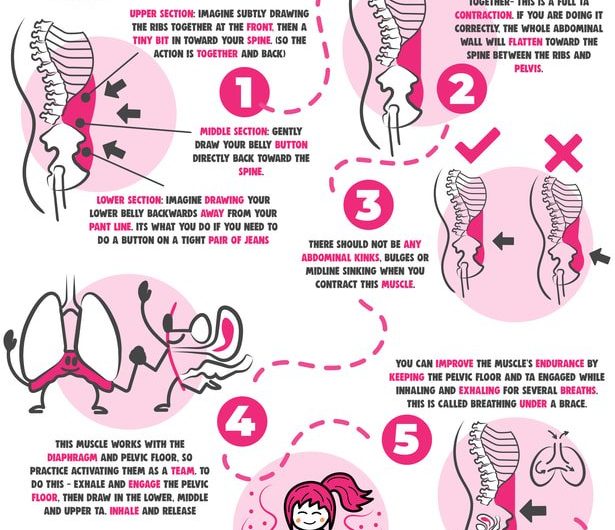
While postpartum pressure when standing can be uncomfortable, there are several ways to manage and alleviate the symptoms. One of the most effective ways is to perform pelvic floor exercises, also known as Kegels, to strengthen the muscles that support the pelvic organs. These exercises can help improve muscle tone and reduce the sensation of pressure in the pelvic area.
Another helpful strategy is to practice good posture when standing up. Maintaining a straight back and engaging the core muscles can help distribute the weight more evenly throughout the body and reduce the strain on the pelvic floor muscles. Taking frequent breaks from prolonged sitting or standing can also help relieve pressure in the pelvic area.
Conclusion
Postpartum pressure when standing is a common issue that many women experience after giving birth. By understanding the causes of postpartum pressure and implementing effective management strategies like pelvic floor exercises and good posture, women can reduce discomfort and improve their overall well-being during the postpartum period. Remember, it’s important to listen to your body and seek guidance from a healthcare provider if you experience persistent or severe symptoms of postpartum pressure. Here’s to happy and healthy motherhood!
We hope you found this article informative and helpful. If you have any questions or would like to share your experience with postpartum pressure when standing, feel free to leave a comment below. Thank you for reading!
7 Common Pregnancy Mistakes That Increase Risk of Postnatal Complications
Frequently Asked Questions
What are the common symptoms of postpartum pressure when standing?
Postpartum pressure when standing may present symptoms such as dizziness, lightheadedness, feeling faint, or a sensation of heaviness in the lower abdomen or pelvis. Some individuals may also experience a pulsating or throbbing sensation in the pelvic region.
How long does postpartum pressure when standing typically last?
The duration of postpartum pressure when standing can vary from person to person. In most cases, it is a temporary issue that improves gradually over the weeks following childbirth as the body adjusts and heals. However, if the symptoms persist or worsen, it is essential to consult a healthcare provider for proper evaluation and guidance.
How can I manage postpartum pressure when standing?
To manage postpartum pressure when standing, it is recommended to take frequent breaks when standing for extended periods, avoid sudden changes in position, stay hydrated, and maintain a balanced diet rich in nutrients. Engaging in gentle postpartum exercises, such as pelvic tilts and Kegel exercises, can also help strengthen the pelvic floor muscles and alleviate pressure.
Final Thoughts
In conclusion, postpartum pressure when standing can be a common issue for new mothers. It is important for postpartum women to be mindful of this discomfort and take breaks as needed. Practicing gentle exercises and wearing supportive shoes can help alleviate the pressure. Remember to prioritize self-care and seek support from healthcare professionals if the discomfort persists. Managing postpartum pressure when standing is essential for a smoother recovery process.


